



Focussed women's health offering innovative, individual and up-to-date care
Kate Richardson is a specialist Gynaecologist at Life Vincent Pallotti Hospital with a special interest in minimal access (keyhole) surgery.


Kate Richardson
Kate has spent the past decade working in private practice at Life Vincent Pallotti Hospital, where she has developed her particular skills and interest in minimal access surgery.
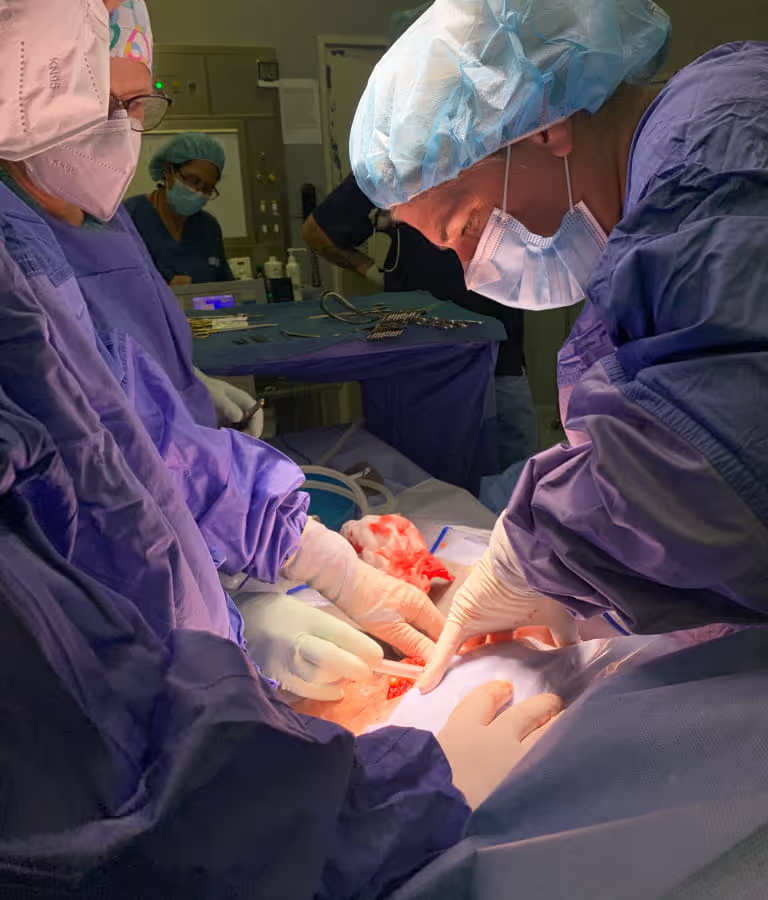
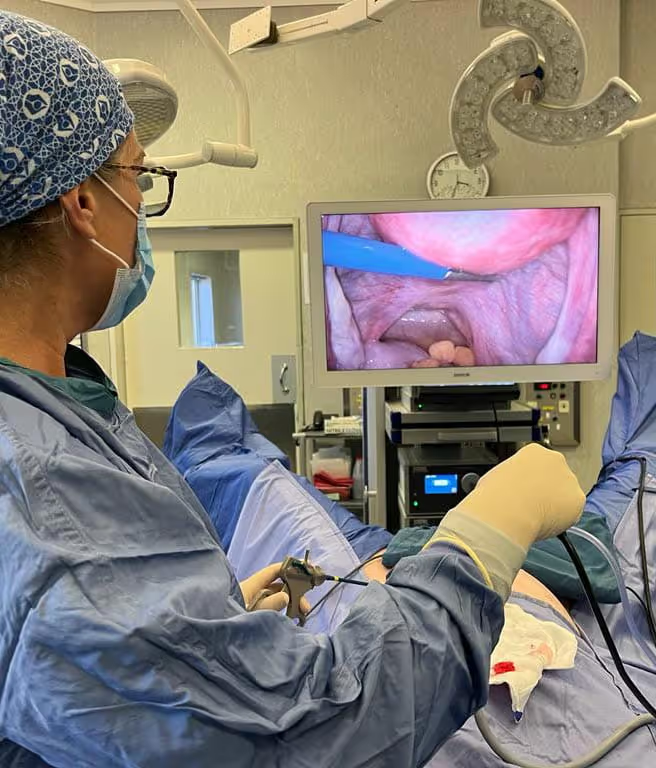
Minimal access surgery (also known as keyhole surgery) is an evidence-based surgical technique that is less invasive. Benefits include enhanced recovery, shorter hospital stays, reduced pain and blood loss, better cosmetic results, and earlier mobilisation and return to normal function.
More about Kate
Kate is passionate and dedicated to her patients and aims to provide a space where her patients feel listened to and safe. She strives to tailor treatment options to the specific needs of each individual and to provide her patients with information and options that allow them to make autonomous decisions that best serve them.
More about minimal access surgery
Kate uses minimal access surgery for the following procedures:
> Hysterectomies
> Management of pelvic pain and endometriosis
> Removal of fibroids
> Management of cysts
> Management of ovarian pathology
> Prolapse procedures
Qualifications and experience
Kate completed her medical training at the University of Cape Town, graduating in 2000. After that she developed a passion for obstetrics and gynaecology and spent many years working in this field, both in South Africa and the United Kingdom. She went on to complete her Fellowship in Obstetrics and Gynaecology in 2011 through the Colleges of Medicine of South Africa with most of her training taking place at Groote Schuur Hospital in the Western Cape.

Gynaecology
Minimal access surgery (keyhole surgery)
Minimal access surgery (also known as keyhole surgery) is an evidence-based surgical technique that is less invasive. Benefits include enhanced recovery, shorter hospital stays, reduced pain and blood loss, better cosmetic results, and earlier mobilisation and return to normal function.
Kate performs minimal access surgery for the following procedures:
> Hysterectomies
> Management of pelvic pain and endometriosis
> Removal of fibroids
> Management of cysts
> Management of ovarian pathology
> Prolapse procedures
Chronic pelvic pain (pelvic surgery) and endometriosis
Kate has a special interest in pelvic surgery and issues related to chronic pelvic pain.
She performs pelvic surgeries using evidence-based, minimally invasive techniques (minimal access surgery, as explained above).
Pelvic organ prolapse
Pelvic organ prolapse is when 1 or more of the organs in the pelvis slip down from their normal position and bulge into the vagina. It can be the womb (uterus), bowel, bladder or top of the vagina. A prolapse is not life threatening, but it can cause pain and discomfort. Women with pelvic organ prolapse may feel uncomfortable pressure during physical activity or sex. Other symptoms of pelvic organ prolapse include: Seeing or feeling a bulge or "something coming out" of the vagina. A feeling of pressure, discomfort, aching, or fullness in the pelvis.
Urinary complaints (incontinence)
Urinary incontinence is the loss of bladder control due to various different causes. Treatment options include medication or minor surgical procedures.
Kate's other gynaecological services include:
- Routine annual gynaecological assessments
- Contraceptive counselling and procedures
- The management of:
> Infertility (investigations and ovulation induction)
> Abnormal uterine bleeding
> Menopause
> Polycystic Ovary Syndrome (PCOS) - The performance of:
> Cervical cancer screening and colposcopy
> Major and minor gynaecological procedures
Questions?
We are ready to assist you
Life Vincent Pallotti Hospital, Alexandra Road, Pinelands Suite 112


Accept cookies to show Google Maps
Address: Life Vincent Pallotti Hospital,
Alexandra Road, Pinelands Suite 112